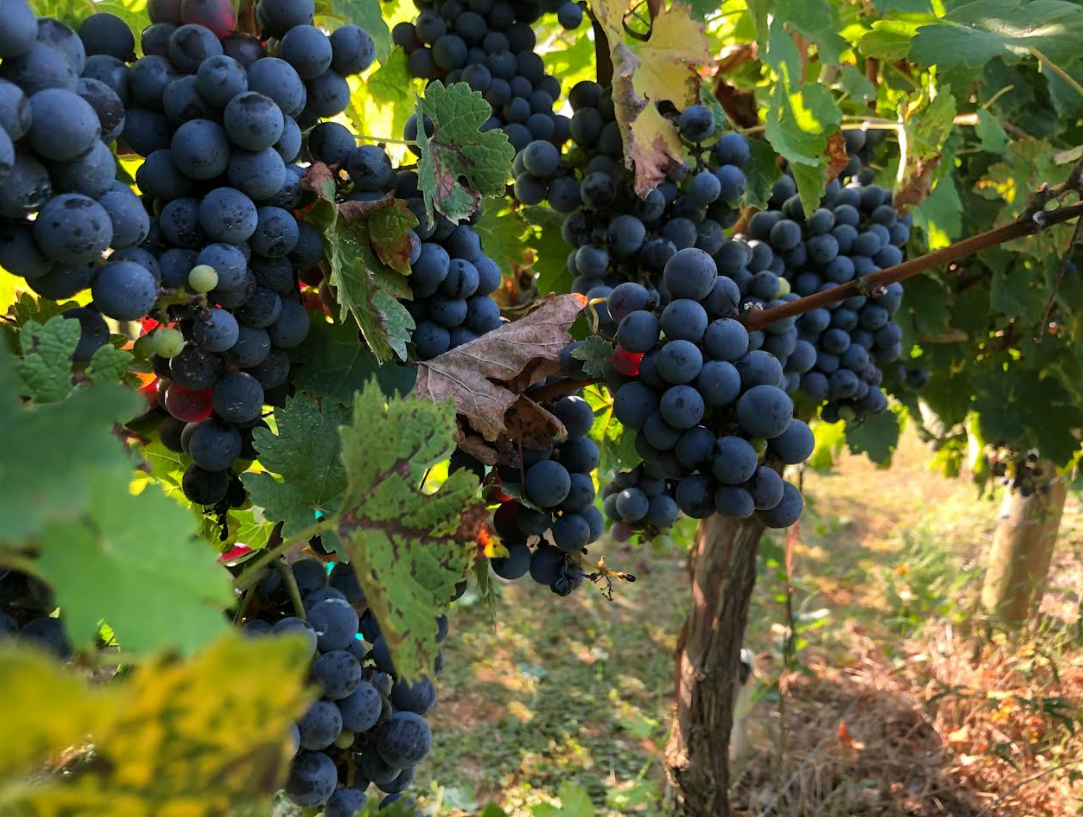
Few grapes command the same level of respect as Cabernet Sauvignon. With roots in Bordeaux but branches stretching across continents, this variety has become a global ambassador for red wine. Its story is as much about history and geography as it is about aromas of dark fruit and the unmistakable grip of tannins.
Origins in bordeaux and beyond
Cabernet Sauvignon was born in the vineyards of Bordeaux, in France’s southwest. In appellations like Margaux, Pauillac and Saint-Estèphe, it has long been the backbone of some of the most revered blends. What started in Bordeaux, however, did not stay there. The grape thrives in warm, dry climates across the world from California’s Napa Valley to Australia’s Coonawarra offering wine lovers an endless opportunity to discover available bottles that showcase different terroirs.
What makes its character so distinctive
Open a glass of Cabernet Sauvignon, and you are likely to encounter aromas of blackcurrant, violets and sometimes a hint of green pepper. With age, these notes deepen into cedar, tobacco, coffee and eucalyptus, creating layers that tell the story of the vineyard and the cellar. On the palate, Cabernet is known for firm tannins, pronounced acidity and a structure that allows it to evolve gracefully over decades.
A question of balance
Wines from cooler climates such as Bordeaux often display higher acidity and more restraint, while warmer regions like Napa or Stellenbosch produce powerful, fruit-driven styles. This versatility has made Cabernet Sauvignon not only a winemaker’s favorite but also a collector’s dream.
Food pairings that elevate both plate and glass
Cabernet Sauvignon’s boldness makes it a natural partner for hearty dishes. Rich cuts of beef, grilled ribeye, or roasted lamb highlight the wine’s depth. In Bordeaux, lamb is the classic pairing, while in California or Argentina, barbecued beef brings out the smoky nuances of mature bottles. Even the wine’s tannins, sometimes intimidating in youth, find harmony with fatty meats that soften their grip.
Where to taste the best cabernet sauvignon in the world
France remains the gold standard, with Bordeaux estates producing wines that set benchmarks for quality and price. Italy’s Tuscany has embraced the grape too, with Sassicaia and other “Super Tuscans” achieving cult status. Across the Atlantic, California’s Dominus and Napa Valley cabernets have carved a global reputation. Australia’s Penfolds Bin 707, South Africa’s Stellenbosch cuvées and Argentina’s Mendoza labels such as Enzo Bianchi illustrate how far the grape has traveled. In Chile, the Maipo Valley continues to rise, offering bottles that rival Europe’s classics but at friendlier prices.
Exploring alternatives and complements
For those curious about similar profiles, Malbec offers a slightly more tannic experience with a comparable balance. Yet Cabernet Sauvignon’s diversity means there is much to explore before seeking alternatives. Each bottle reflects not just the grape but also the cultural identity of the region it comes from.
Inside the making of a bordeaux cabernet
Winemaking in Bordeaux is an art honed over centuries. Harvest timing is critical, with growers monitoring acidity, sugar levels and the texture of the grape skins. Grapes are often handpicked in prestigious châteaux, though mechanical harvesting is common elsewhere. Once sorted, they undergo fermentation in stainless steel tanks or oak vats, extracting color, tannins and flavor. Aging typically takes place in French oak barrels for 18 to 24 months, during which the wines are racked to introduce controlled oxygenation. The final blend often combining Cabernet with Merlot or Cabernet Franc reflects meticulous tasting and selection. Some estates juggle dozens of different lots before deciding what goes into the bottle.
Why each vintage matters
Climate plays an undeniable role. Rain during harvest can force an earlier pick, while sun-drenched Septembers yield richer wines. This variability means that each vintage tells its own story, and part of Cabernet’s allure is following how different years shape its expression.
The legends of cabernet sauvignon
Certain names dominate any serious discussion of Cabernet. Château Margaux remains an icon, considered one of the greatest wines ever made. Sassicaia in Tuscany redefined Italian wine by breaking tradition, while California’s Dominus cemented Napa’s status as a fine wine region. Australia’s Penfolds Bin 707 demonstrates the New World’s ability to rival the Old, and Argentina’s Enzo Bianchi offers a glimpse of South America’s rising potential.
Why cabernet sauvignon endures ?
Cabernet Sauvignon has secured its place not just on wine lists but also in cultural history. Its adaptability, aging potential and universal appeal make it a cornerstone of the wine world. Whether your glass is filled with a youthful Argentine Cabernet or a decades-old Bordeaux, the journey is always one of discovery and refinement an invitation to taste time itself.